

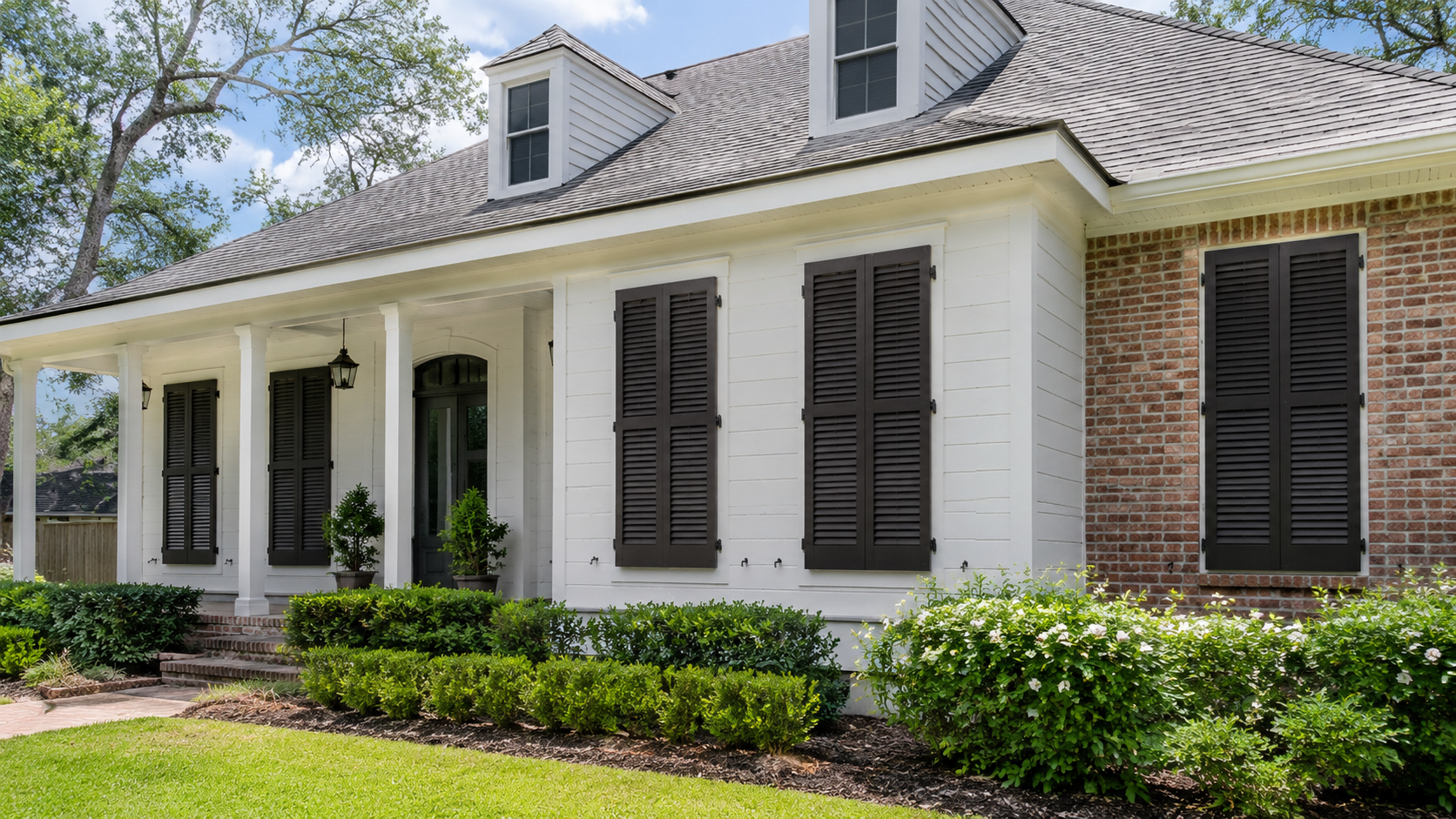
Choosing hurricane shutters is not simply a matter of picking the strongest-looking product. Gulf Coast homeowners also need to consider how quickly the shutters can be deployed, the size of the openings, access to upper floors, power availability, maintenance, appearance, and budget.
Two of the most convenient permanent systems are roll-down shutters and accordion shutters. Both remain attached to the building and avoid the storage and lifting required by removable panels, but they operate differently. This guide explains the practical differences so you can have a more productive conversation during an on-site estimate.
TWO PERMANENT OPTIONS
Same goal, different day-to-day experience
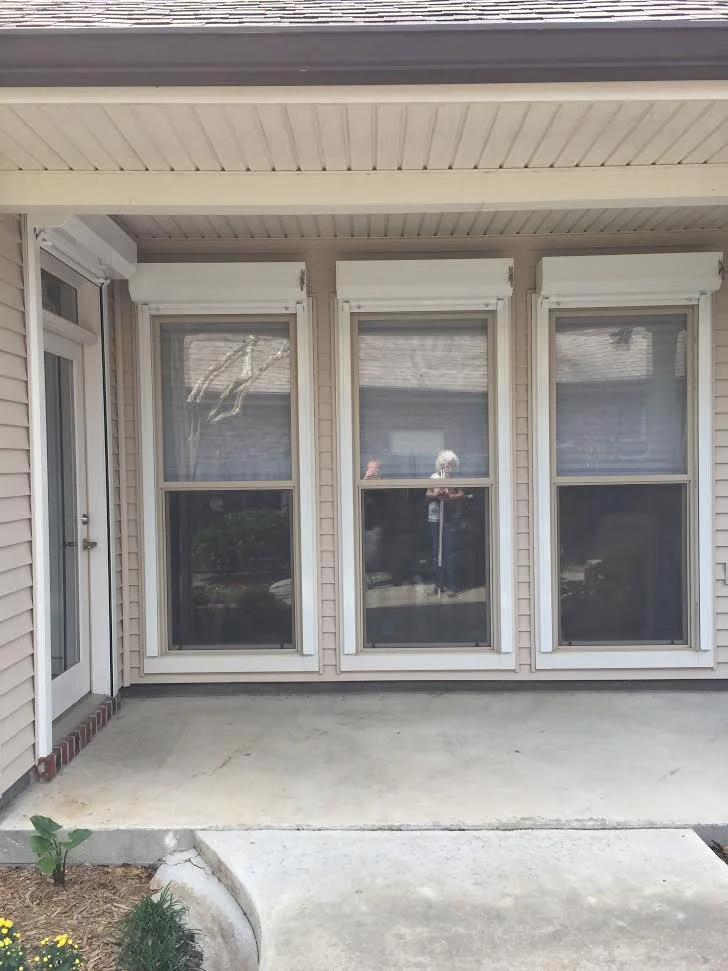
ROLL-DOWN
Fast, compact deployment
- Travels vertically from a housing above the opening
- Motorized or manual configurations
- Clean appearance when open
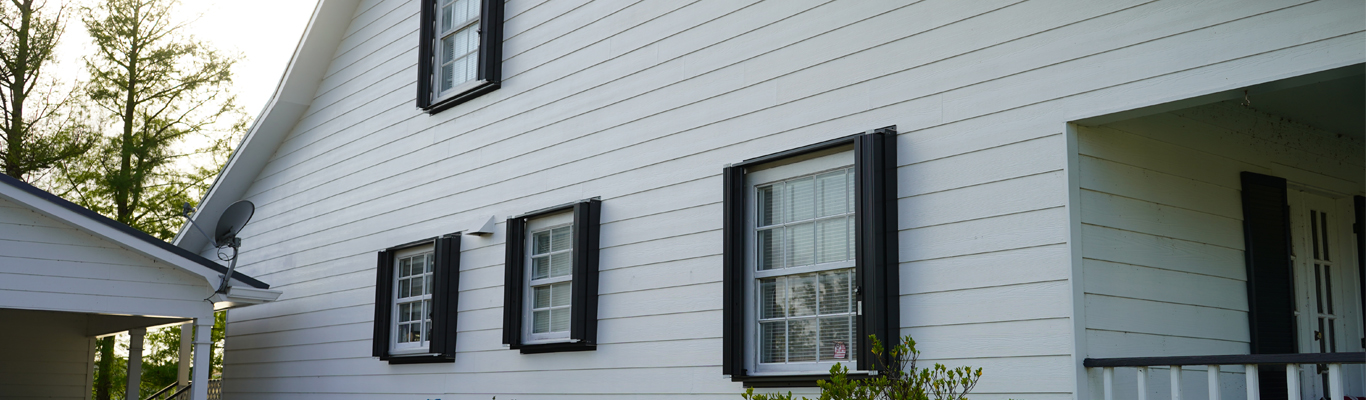
ACCORDION
Simple manual operation
- Folds at the sides of the opening
- Pulls closed without electricity
- Permanent and straightforward
The right fit depends on the opening. Size, access, power, appearance, and budget all matter during an on-site estimate.
How roll-down shutters work
Roll-down shutters travel vertically through side tracks and store in a housing above the opening. Depending on the system, they may be operated manually or with a motor. When closed, the curtain covers the window, door, patio opening, or other protected area.
The major advantage is convenience. A homeowner can close a properly designed system without carrying panels or moving shutters from a storage area. Motorized systems are especially useful for large openings and for homeowners who want to reduce the physical work of storm preparation.
How accordion shutters work
Accordion shutters are permanently mounted beside an opening. Their interlocking blades fold to the sides when not in use and pull together across the opening when protection is needed. Once closed, the two sides are secured at the center or at a locking point specified by the system.
Accordion shutters are popular because they combine fast deployment with straightforward manual operation. They do not require a separate storage location, and they can be a practical choice for windows, doors, and wider openings.
Roll-down vs. accordion shutters at a glance
| Consideration | Roll-down shutters | Accordion shutters |
|---|---|---|
| Deployment | Manual or motorized vertical operation | Manual side-to-side operation |
| Storage | Stores in a housing above the opening | Folds at the sides of the opening |
| Power dependence | Motorized units need an approved manual backup plan | Normally operated manually |
| Appearance when open | Housing and side tracks remain visible | Folded blades remain visible at each side |
| Large openings | Often considered for patios, doors, and wide spans | Can also cover wide openings when properly engineered |
| Routine maintenance | Tracks, curtain, controls, and motor components should be checked | Tracks, blades, fasteners, and locks should be checked |
FREE ON-SITE ESTIMATE
Not sure which shutter fits your home?
We can evaluate your openings, explain the tradeoffs, and help you compare roll-down and accordion systems without pressure.
Which option is easier to deploy?
Both systems are considerably easier to deploy than shutters that must be carried from storage. A motorized roll-down is usually the lowest-effort option, while an accordion system provides fast manual operation without depending on a motor.
Think about who will prepare the property when a storm approaches. A system that is manageable for one household may not be the right choice for someone with limited mobility, an elevated home, a second-story opening, or a commercial property with many openings.
What happens if the power goes out?
Power failures are a real Gulf Coast concern. If you are considering motorized shutters, ask how the approved manual override works and make sure every responsible person knows how to use it. Do not wait until a storm is approaching to locate handles, keys, or instructions.
Accordion shutters are normally closed manually, so their basic operation does not rely on household electricity. They still need to be kept clean, tested, and free from obstructions.
Appearance and everyday use
Neither system disappears completely. Roll-down shutters have a housing above the opening, while accordion shutters stack at the sides. The best visual choice depends on the architecture, opening proportions, finish color, and where the product can be anchored correctly.
For patios and outdoor living areas, homeowners may also care about shade, privacy, insects, and daily convenience. Those goals should be discussed separately from storm protection so the selected product is rated and configured for its intended purpose.
Maintenance matters for both systems
- Operate every shutter periodically instead of waiting for a storm.
- Keep tracks free of dirt, insects, paint, and landscaping debris.
- Inspect fasteners, locks, guides, and visible damage.
- Follow the manufacturer’s cleaning and lubrication instructions.
- Schedule service if a shutter binds, stops unevenly, or requires unusual force.
Questions to ask during your estimate
- Which system is approved for the size and construction of this opening?
- How will it be anchored to the structure?
- What components remain visible when the shutter is open?
- How does the manual override work?
- What routine maintenance is required?
- What warranty applies to the shutter, finish, motor, and installation?
- Can every person responsible for storm preparation operate it safely?
The best shutter is the one you can use correctly
Roll-down shutters are often selected for maximum convenience and large openings. Accordion shutters are often selected for fast manual deployment and practical permanent protection. The right answer depends on the property rather than a one-size-fits-all ranking.
Gulf Coast Shutters manufactures and installs custom shutter systems from Houma for homes and businesses across the Gulf Coast. Request a free on-site estimate to compare the options for your openings.
Compare your options at home
A free on-site estimate is the easiest way to see which shutter system fits your openings, routine, and budget.
